Individuality as Identity: Why Young Homeowners Refuse to Furnish Like Everyone Else

There was a time when homes followed a familiar formula. Neutral sofas, matching furniture sets, predictable layouts. Interiors were designed to appeal to everyone, and in doing so left little room for personal expression. Today's homeowners have little interest in that approach.
For a generation that has grown up curating everything from playlists to wardrobes, homes have become another extension of identity. Furniture is no longer selected simply because it fills a room. It is chosen because it says something about the people who live there. Personality has become as important as practicality, and perhaps even more valuable than perfection.
The shift isn't about following trends. It's about rejecting uniformity.
The End of the Matching Living Room

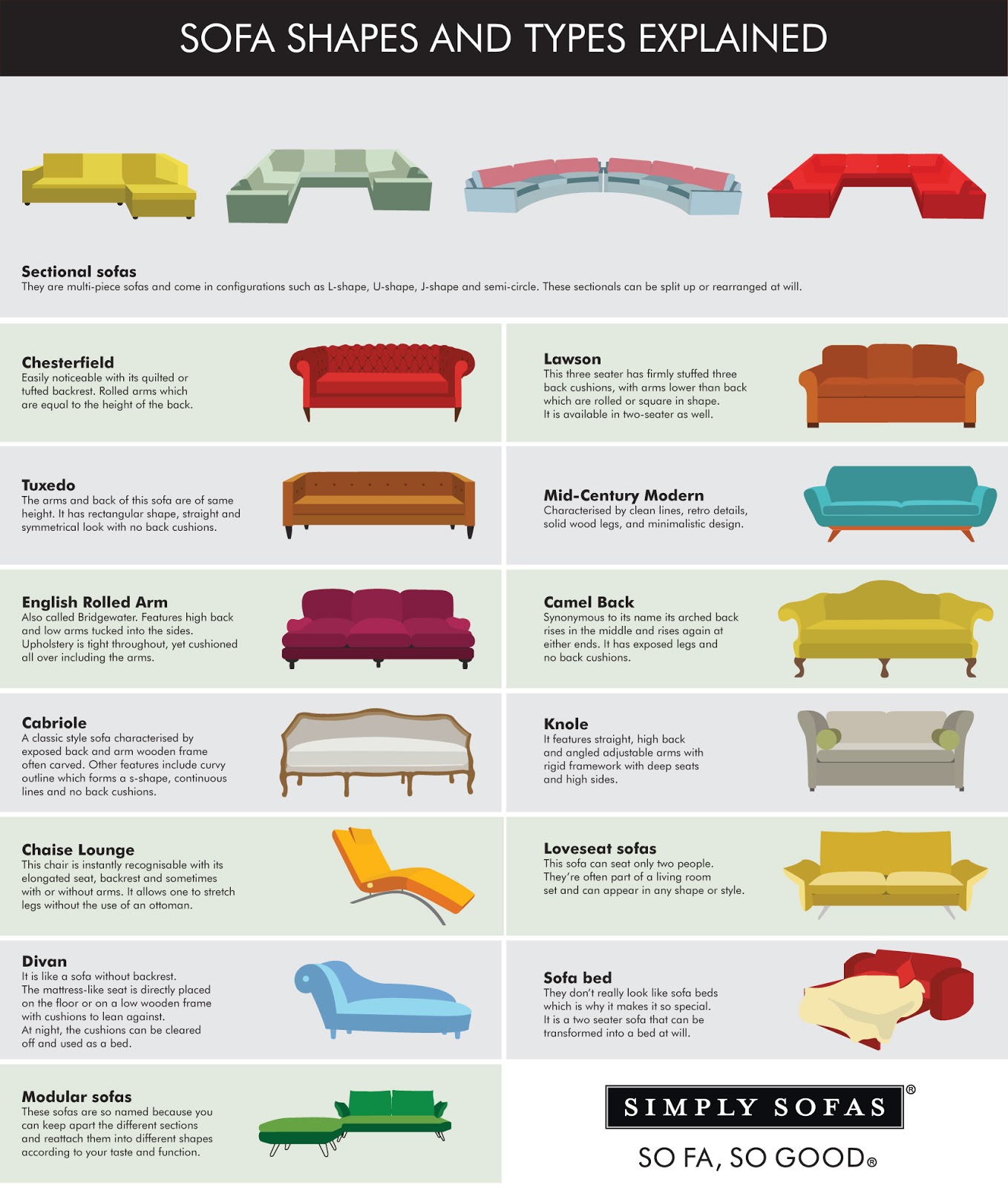
The living room has become the most personal space in the home. It is no longer reserved for a single purpose. It shifts effortlessly between work, entertainment, relaxation, and social gatherings. As lifestyles become more fluid, furniture is expected to adapt rather than dictate how people live. This is where modular design has found renewed relevance.
Few pieces understand this better than Selene, a relax programme built around the idea that comfort shouldn't have a single, fixed expression. Designed as an innovative modular relax programme, it moves effortlessly between a generous lounging sofa and a surprisingly comfortable occasional bed. Instead of asking homeowners to dedicate separate spaces for different needs, it transforms alongside everyday life, offering exceptional comfort without compromising on design.
Likewise, Kalahari challenges the conventional idea of what a sofa should look and feel like. Inspired by the flowing curves of desert dunes, its sculptural form replaces rigid geometry with soft movement. Hidden beneath its elegant silhouette is Fama's adjustable backrest system, allowing two seating depths within the same sofa. The mechanism makes the sofa extremely versatile, allowing the sofa to accommodate changing preferences with remarkable simplicity.
Furniture With Character, Not Just Function

The young homeowners don't want every object to disappear into the background. They gravitate towards pieces that have an unmistakable identity. Cocoon embodies this idea beautifully. With its enveloping curves, fluid silhouette, and slender metal legs, it feels almost sculptural. Its rotating chaise module introduces an unexpected layer of movement, while its modular design allow every composition to feel uniquely personal. It isn't merely a sofa placed within a room. It becomes the room's defining presence.
The Luxury of Thoughtful Design

Young homeowners are drawn to products that solve problems elegantly, often through innovations that remain almost invisible. Take Mondrian, an armchair whose light visual profile conceals the functionality of a fully integrated recliner. In its upright position, it becomes the perfect reading chair. Reclined, it elevates the feet to heart level, encouraging healthier relaxation without ever looking like a conventional recliner.
The same intelligence defines Fourmi. Its adaptable backrest moves with your body as you shift positions, while the rotating armrests create a comfortable place to rest your forearms when reading, scrolling, or using a tablet. Beginning with a single base, it evolves into a footstool, chair or lounge armchair, proving that versatility doesn't require visual complexity.
A Home That Refuses to Be Predictable

Personal expression isn't always loud. Sometimes it is found in an unexpected silhouette, an unconventional proportion, or a chair that invites multiple ways of sitting.
That thinking finds its expression in Zora. Its distinctive oval seat immediately sets it apart from traditional accent chairs, while its embracing backrest encourages relaxed, informal postures. Available with a swivel base or hidden legs, it effortlessly adapts to different interiors while retaining its unmistakable identity.
These are the details increasingly valued by younger homeowners. They aren't looking for furniture that blends into a catalogue aesthetic. They want pieces that make a home feel unmistakably their own.
Designing Homes That Feel Personal

The desire for individuality goes beyond colour palettes or decorative accessories. It is reflected in furniture that embraces flexibility over fixed rules, personality over perfection, and thoughtful innovation over unnecessary complexity.
Brands like Fama understand this shift because they design for people. Every piece of furniture is rooted in the belief that homes should accommodate different routines, different personalities, and different ways of living. Perhaps that is why younger homeowners are moving away from furnishing like everyone else. Because the most memorable interiors are never assembled from safe choices.
They are built around pieces that tell a story, adapt with life and express something uniquely personal. And in homes where individuality has become the defining luxury, furniture is no longer just part of the room. It becomes part of the identity.
The article covers: Young homeowners, personalised furniture, modular furniture, modular sofas, statement furniture, modern living room furniture, luxury furniture, contemporary furniture, home interiors, interior design


Comments
Post a Comment