The Italian Way of Designing the Home: A Philosophy of Furniture, Form and Living

Italian interiors have never been defined by a single aesthetic. They can be sculptural or restrained, expressive or practical, richly detailed or remarkably simple. What connects them is a particular way of thinking about the home: furniture is not merely placed within a space. It shapes how that space is experienced.
This philosophy can be seen across generations of Italian design, from furniture that turns materials into visual statements to pieces that adapt around the people who use them. A dining table can become an architectural focal point, a sofa can change the way a room is occupied, and even storage can be treated as part of the architecture.
The Italian way of designing the home, then, is less about following a particular look and more about understanding the relationship between form, material and living.
Form Is Meant to Be Experienced

Take the I-Sassi sofa by Calia Italia, whose soft, organic forms draw inspiration from the Sassi of Matera, shaped over time by water and wind. Its design moves beyond a conventional sofa form that is ideal both for conversation and for more intimate moments at home.
A similar attention to silhouette appears in Teia by Bonaldo. From the front, it is a generously upholstered dining chair. From behind, its personality becomes more apparent as the legs flow directly from the backrest in one continuous line, creating an uninterrupted silhouette. It is a detail that rewards looking at the chair from every angle.
In both pieces, design is not something added to function. The form itself becomes part of the experience.
Material Is Part of the Design Language

The San Marco 72 by Reflex is an especially striking example. Its base consists of solid transparent Murano glass legs with LED lighting, while the tabletop is covered in extra-clear mirror glass featuring artistic engravings. The transparency, reflection, and illumination work together to give the dining table a presence that changes with its surroundings.
This sensibility can also be seen in Nuance, a mirror whose defining detail is its gradient glass. A secondary mirrored surface surrounds the central mirror, creating depth through a subtle transition of colour. This attention to material is central to Italian furniture design, where the inherent qualities of glass, metal, leather and upholstery often become part of what gives a piece its character.
Comfort Has a Form of Its Own

The Lazy armchair by Calligaris is designed around this idea. Its flowing lines and generous seat are supported by a cold-foamed polyurethane shell and soft cushions, while its metal base allows both rocking and swivelling. Suitable for living rooms, bedrooms and contract spaces, it brings a sense of movement to a classic piece of upholstered furniture.
With the Adore armchair, Natuzzi Italia takes a more expressive approach to comfort. A single-piece frame rises into a high, voluptuous backrest, while the swivel mechanism introduces movement. Its cone-shaped brushed-metal base in a light gold finish adds another layer to its distinctive character, with upholstery available in a wide range of fabrics and leather.
Neither piece treats comfort as something invisible. It becomes part of the visual language of the furniture itself.
The Home Should Adapt to the Way You Live

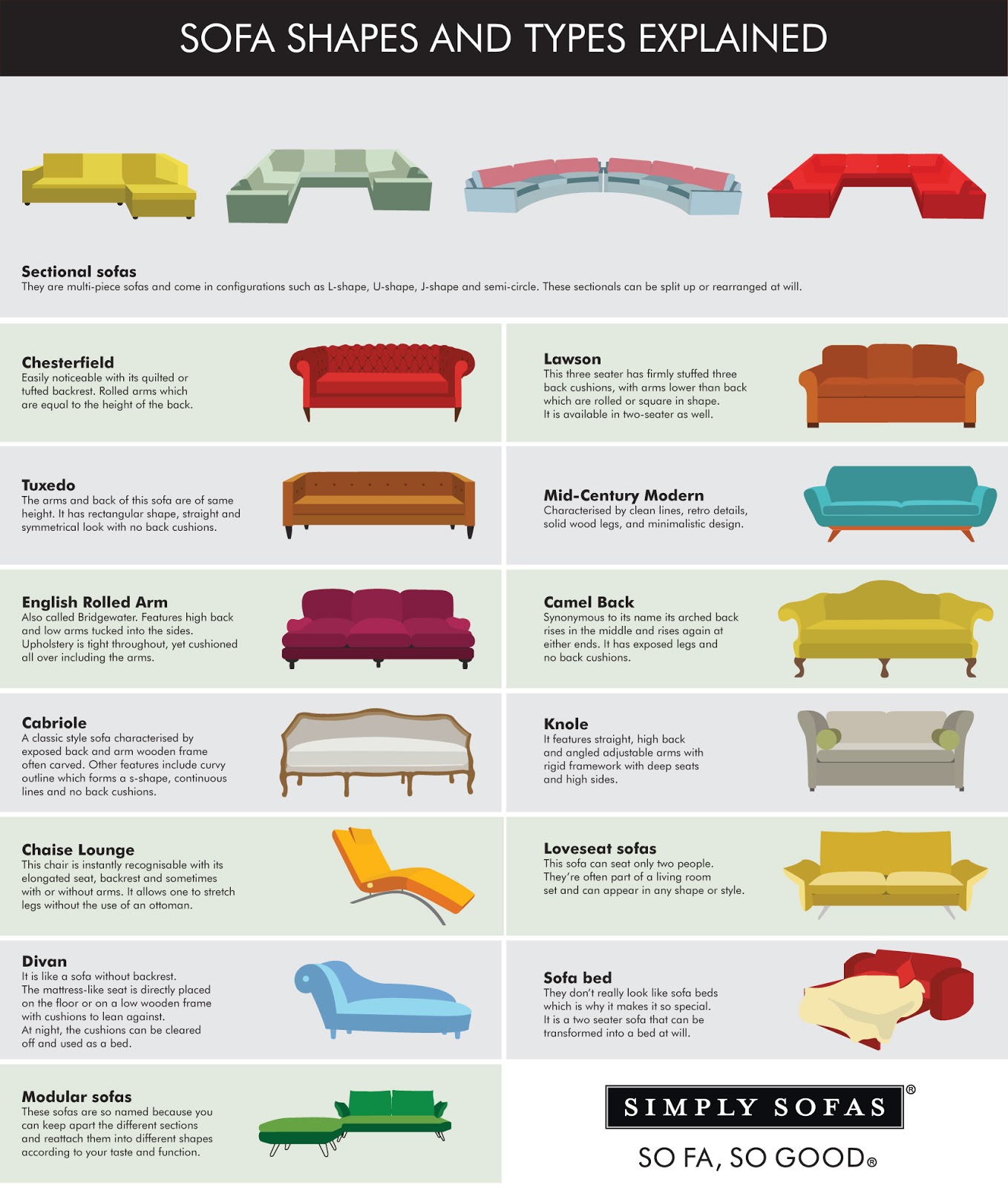
The Edmond sofa by Molteni&C takes this idea into modular furniture. Its series of elements allows for asymmetric compositions and changing depths, creating different possibilities for sitting and using the sofa.
The Loft sectional sofa by NicolettiHome approaches adaptability through comfort. Its extreme right seat features a reclining function, while adjustable headrests allow the seating experience to be altered with ease. Its corner and extreme left seats offer generous space for more casual lounging.
Then there is the Twins table by Calligaris, where adaptability becomes part of the construction. Two curved sheet-metal elements form its base, while fixed and extendable versions allow it to respond to different requirements. The choice of wooden or glass tops further changes its expression.
These pieces share a common principle: good design adapts to the way we live.
Details Can Define an Entire Piece

The Cuff bed by Bonaldo, designed by Mauro Lipparini, is defined by its pleated headboard and leather tie accents. Available with different finishes and optional storage, it balances decorative detailing with practical considerations. Its removable covers, offered in fabric, eco-leather or leather, extend this attention to detail into the choice of material and maintenance.
That is the strength of considered detailing, where the smallest elements can become an essential part of a piece's identity.
Even Storage Can Become Architecture

Master Dressing by Molteni&C, designed by Vincent Van Duysen, treats the walk-in wardrobe as an architectural element rather than simply a storage solution. Conceived to complement the Gliss Master wardrobes, it creates a cohesive environment in which each element contributes to the overall composition.
This is where furniture and architecture begin to overlap. Storage is no longer something that needs to disappear into the background. It becomes part of how the bedroom is structured and experienced.
A Home Designed Around Living
What ultimately distinguishes the Italian approach is not a particular material, silhouette or colour. It is the belief that design should engage with the way people actually inhabit their homes. Across these different pieces, the same philosophy emerges: design is not separate from living. It gives living its shape.
The Italian way of designing the home is therefore not about filling a room with recognisably Italian pieces. It is about choosing furniture with a clear point of view, allowing materials to speak, giving form a purpose and leaving enough flexibility for the people who live there.
The article covers: Italian craftsmanship, contemporary Italian furniture, contemporary furniture, modern home design, modern home design, Italian furniture brands, furniture design, contemporary furniture design,


Comments
Post a Comment