What Ties Your Home Together: Coordinated Furniture for Every Room

A well-designed home does not need every room to look the same. In fact, the most interesting interiors often have a distinct character in every space. What makes them feel like part of one home is a sense of connection: a recurring material, a similar silhouette, a shared colour palette or simply a consistent approach to proportion and comfort.
Coordinating furniture room to room is about creating these connections without making the interiors feel repetitive. The sofa in the living room, the dining table at the heart of the dining area, the bed in the bedroom and even the chairs outdoors can each have their own identity while contributing to a larger design story.
Start with a Living Room That Sets the Tone

The living room often establishes the design language for the rest of the home. It brings together the largest pieces of furniture, from sofas and armchairs to coffee tables, sideboards and accent pieces, so their relationship with one another matters as much as the individual designs.
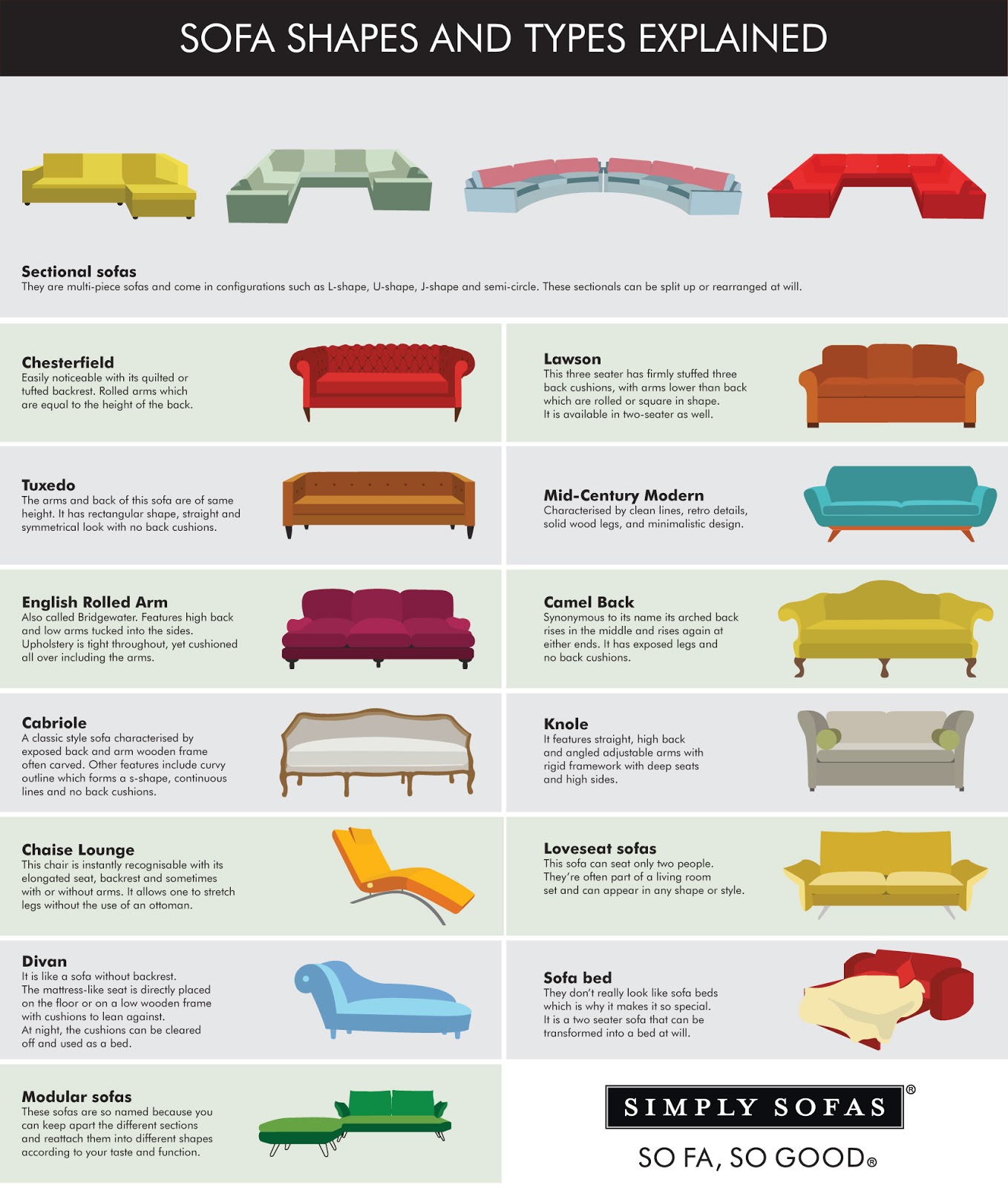
A modular sofa can be particularly useful here because it allows the seating arrangement to respond to the room rather than dictate it. The Amama sofa expresses this idea beautifully with its distinctive double-sided island design, creating an open focal point that works equally well for any modern interior.
For a room that calls for a more grounded, enveloping feel, Stone brings together a low profile, generous depth and enveloping backrests. Its clean linear silhouette and closed base give the sofa a strong contemporary presence, while its removable covers and optional headrest make it adaptable to different lifestyles.

The supporting pieces complete the composition. A Ludwig armchair, for instance, can introduce another layer of seating without competing with the sofa. Its solid wood frame and upholstered seat create a softer, more classic presence with wooden legs, while the swivel metal base in a bronze finish gives it a sleeker character.
The Day mirror can then add another dimension. Its balanced semicircular form brings visual order while its expansive surface helps create a sense of openness. Rather than demanding attention, it works with the furniture around it, allowing the room's larger forms to remain central.
Let the Dining Room Have Its Own Identity

Moving from the living room into the dining area, the furniture can become more architectural while still retaining visual links to the space next to it.
The dining table naturally becomes the anchor. Napoleon Keramik makes a strong case for treating the dining table as more than a functional surface. Its sculptural ceramic slab base and matching ceramic top give it an architectural quality, with a recessed groove adding a subtle variation in texture.
Alternatively, Botero Wood brings a softer sculptural quality to the dining space. Its statuesque base, inspired by the voluminous forms, supports a wood or ceramic top and introduces a tactile, handcrafted character.

The chairs around these tables need not match every element in the room. Manta, with its simple and adaptable form, can move naturally between dining and living spaces. Its understated design adds refinement without overwhelming the larger pieces.
For another approach, Bake Pad introduces colour through shades such as terracotta, taupe and olive green. Used indoors with its upholstered version or outdoors without the upholstery, it can also become one of those pieces that connects different areas of the home through colour and material.
This is where coordinating furniture becomes more interesting: the connection between rooms does not have to come from identical furniture. It can come from a repeated colour, finish or visual rhythm.
Build the Bedroom Around Comfort and Calm

The bedroom calls for a different balance. Where living and dining spaces can accommodate stronger sculptural forms, bedroom furniture often works best when it creates a feeling of visual ease.
The Fluff bed by Calligaris does this through a seamlessly upholstered frame and headboard that form one lightweight silhouette. Set on slender metal feet, the bed appears to float above the floor, while the refined fabric trim brings attention to the quality of the upholstery.
A bedroom built around a piece like Fluff does not need to introduce an entirely different design vocabulary. The same restraint can be carried through bedside tables, lighting, mirrors and occasional furniture. Soft upholstery can echo the textures used elsewhere, while metal or wood finishes can quietly connect the bedroom to the living and dining areas.
Use Accent Furniture to Create Continuity

Some of the most effective connections between rooms come from smaller pieces.
The Oleandro bench, with its fluid lines, generous proportions and minimalist frame, can function as an accent in an entryway, bedroom or living space. Its sculptural form gives the room character without taking over the composition.
A piece such as the Origami Maxi Buffet can do something similar on a larger scale. Its asymmetrical pyramidal doors create changing angles, while the exposed surfaces interact with light and shadow. Behind them, glass shelves provide practical storage. In bronze/brass or dark brass/titanium finishes, the sideboard can become a visual bridge between furniture with different forms but complementary finishes.
These pieces demonstrate why accent furniture matters when coordinating a home. They fill functional gaps, but they can also repeat a finish, introduce a new texture or create a visual connection between larger pieces.
Extend the Design Outdoors

When the home opens onto a balcony, terrace, patio or garden, outdoor furniture becomes part of the overall interior composition.
The Chelsea Outdoor chair carries the elegance of its original design into open-air spaces through a lightweight powder-coated aluminium base and a handcrafted dust-grey polypropylene rope weave. Its balanced proportions allow it to sit comfortably within a variety of outdoor settings. The Chelsea small table complements the chair with the same focus on clean geometry and materiality. Together, these pieces create an outdoor setting that feels connected to the interiors without simply reproducing them outside.
The Bake Pad can also move between these environments, particularly because its outdoor version works without upholstery. This kind of flexibility makes it easier to maintain continuity when a home has a strong relationship between its indoor and outdoor spaces.
Choose Connections, Not Matching Sets

The secret to coordinating furniture across a home is knowing what should repeat and what should change.
A home can have a sculptural dining table, a generously proportioned modular sofa, a softly upholstered bed and relaxed outdoor seating without feeling visually fragmented. What brings these spaces together might be the warmth of wood, the restraint of neutral upholstery, a recurring metal finish, similar curves or simply an appreciation for clean, purposeful forms.
The Nordic Recliner by IMG, for example, brings Norwegian design and ergonomic comfort into the living space through its wooden base, Cold-Cure Foam cushioning, 'Just Right' Headrest, Comfort Glide™ reclining system and 360° swivel. Its sage green finish can introduce colour without disrupting a restrained interior palette.
Similarly, the Oleandro bench, Ludwig armchair or Day mirror can each play a supporting role while helping the
furniture around them feel considered as a whole.
A Home That Feels Whole
The best interiors rarely rely on one spectacular piece to create their identity. They come together through relationships between pieces: the way a sofa frames an armchair, how a dining table anchors its chairs, how a mirror balances a wall, how a bench fills an otherwise empty corner or how outdoor furniture continues the character of the rooms inside.
Coordinating furniture room to room is ultimately about these relationships. Each piece has a purpose, each room has its own atmosphere, and the choices made across the home create a continuous visual thread.
When furniture is selected with this larger picture in mind, the home feels neither overly matched nor disconnected. Every room has its own story, but the same design language runs quietly through all of them.
The article covers: coordinating furniture, furniture for every room, modern home interiors
contemporary furniture, home décor, living room furniture, dining room furniture, bedroom furniture, outdoor furniture.


Comments
Post a Comment